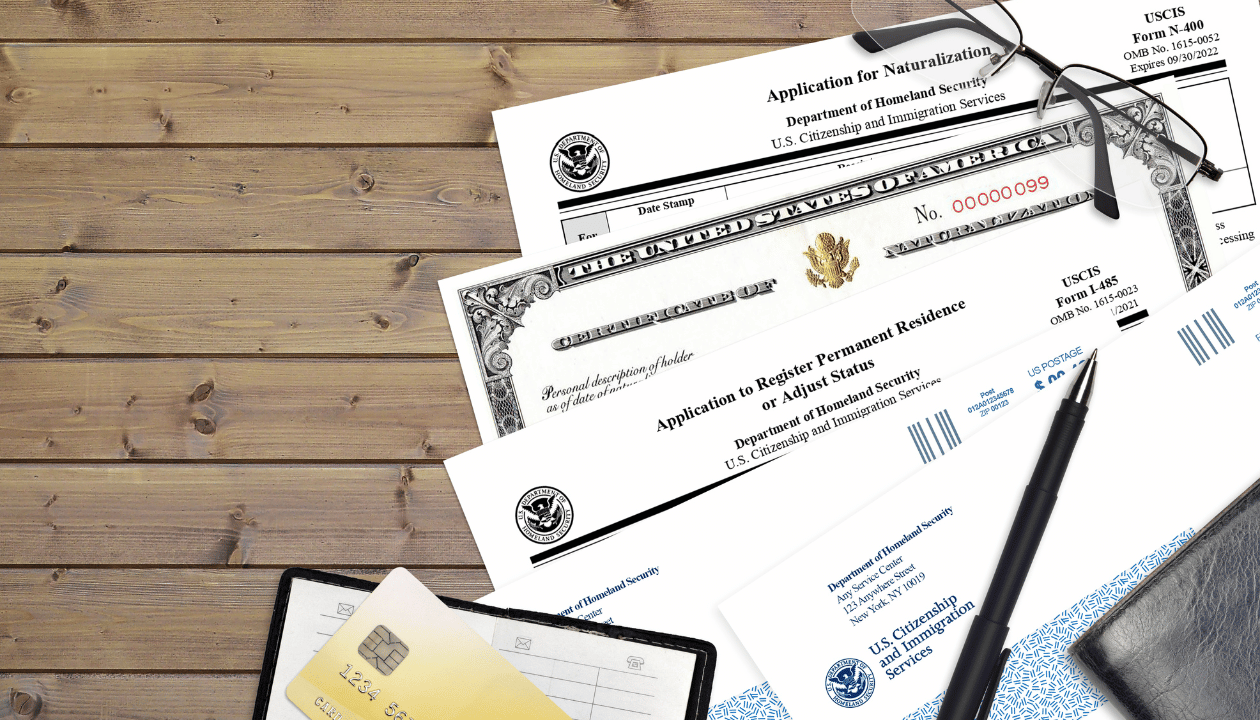





If you have seen headlines saying the trump asylum policy changes 2026 include a scaled-back asylum crackdown, you may think the system has become easier for asylum seekers. That is not the full story. While some restrictions have eased, others have expanded, leaving many asylum applicants facing new uncertainty.
USCIS announced it resumed reviewing some asylum applications for thoroughly screened asylum seekers from non-high-risk countries. But the pause remains for certain countries, expedited removal is still a concern, and many asylum seekers continue facing delays in immigration court hearings, challenges with employment authorization, and growing pressure from immigration enforcement.
That is what makes these changes so important. The real story is not that the crackdown ended, but that it changed. This article explains how Trump’s asylum policy changes in 2026 are affecting asylum cases, immigration court, work permits, and what asylum seekers should be watching now.
The Asylum Freeze Was Partially Lifted, But New Pressure Replaced It
Many reports focus on the rollback, but they miss what happened next. Even as some asylum applications started moving again, pressure inside the system did not ease. The trump administration continued expanding immigration enforcement, while immigration judges kept handling a severe immigration court backlog. As of February 2026, about 3.3 million cases were pending in immigration court, including more than 2.3 million asylum-related cases, according to TRAC’s Immigration Court data.
At the same time, expedited removal, mass detention, and broader activity by immigration agents, immigration and customs enforcement, and other federal agents continued shaping outcomes for many asylum applicants. For people with a pending immigration application, obstacles often shifted rather than disappeared. Some faced stricter screening tied to public safety and national security, while others dealt with delays affecting immigrant visas, immigration appointments, or paths to permanent residence.
That is the real change. One door opened slightly, but several others stayed narrow. For many seeking to grant asylum protection, the practical barriers simply changed form.
Immigration Court May Be the Bigger Story No One Is Talking About
Much of the attention around asylum policy stays focused on border restrictions, but a major issue is happening inside the immigration court itself. Even when applicants pass screening and keep a valid immigration status while their cases move forward, outcomes can depend heavily on where a case is heard, which immigration judge is assigned, and how quickly that court is moving. That is a serious concern for asylum seekers, because similar asylum cases can sometimes produce very different results.
There is also growing concern about court capacity. The Executive Office for Immigration Review has faced persistent judge shortages while handling millions of pending matters, creating pressure to move cases faster. Critics argue speed can sometimes affect how thoroughly claims are reviewed, especially where applicants appear without counsel, despite many immigration judges holding strong credentials, including law degrees and years of experience. See EOIR data here.
For people with a pending asylum application, that makes immigration court hearings are about more than waiting. It raises deeper questions about consistency, access to immigration services, and how immigration law is applied in practice. That is a different problem than border enforcement, and more people are starting to notice.
Third Country Deportations May Be One of the Biggest Shifts of All
One of the biggest changes receiving less attention involves third-country removals. Under some administration plans, certain applicants may be sent to other countries they passed through, or in some cases, places where they have no ties, instead of fully pursuing protection here. That has raised serious questions under immigration law, especially where forced deportations may affect people still trying to seek asylum.
The legal fight is active. A federal judge recently ruled against parts of this policy, while the Supreme Court continues weighing related disputes. There is also growing scrutiny over scope: DHS accounting filed in federal court reported 7,257 third-country nationals removed to Mexico since January 20, 2025. That tells you these policies are not settled. They remain contested, and their future may depend as much on the courts as on executive policy.
Work Permits May Be the Quietest Crisis in This Entire Debate
One of the most overlooked parts of trump asylum policy changes 2026 is employment authorization. For many families, the question is not only whether they can seek asylum, but whether they can survive while waiting. Changes affecting initial work permits and renewals have raised serious concern, especially after USCIS reduced the maximum validity period for many EADs from five years to 18 months, effective December 5, 2025.
That change matters because shorter validity can mean more renewals, more filing costs, and greater risk of gaps in legal work authorization while cases remain pending. For many applicants, this affects rent, childcare, and basic stability. While President Trump and immigration officers have tied these measures to vetting and security, critics argue the burden often falls on the vast majority of applicants who pose no public safety threats and are simply trying to maintain lawful compliance while their cases move forward.
The National Guard Shooting Changed Policy, But It Also Changed Politics
The D.C. National Guard shooting did more than trigger a policy response. It changed how asylum was discussed at the federal level. After the attack, President Donald Trump framed the issue through homeland security, and government officials moved more asylum decisions into a security-driven lens. That shift helped support broader actions involving the Department of Homeland Security, border protection, other federal agencies, and policies tied to the southern border.
What changed politically was just as important. The debate moved beyond asylum procedure and into questions involving national emergency powers, executive order authority, vetting, and enforcement priorities. That also affected discussions around family reunification parole, work permit renewals, and protections involving lawful permanent residents and permanent resident applicants. Even after the partial rollback, that security-centered approach continues shaping policy.
Trump Returned, But This Is Not Simply a Return to Old Policies
Many people assume that because president trump returned, the system simply went back to how it was before. That is not what happened. Some policies are familiar, but many are broader and more complex. New rules now connect asylum to country-based risk categories, expanded detention practices, and ongoing debates involving birthright citizenship and federal authority. At the same time, enforcement priorities tied to illegal immigrants, immigration raids, and public safety concerns have continued evolving beyond earlier approaches.
The scale also looks different. According to TRAC Immigration, deportation numbers and case filings have shifted alongside a massive court backlog, now exceeding 3.7 million pending cases in immigration court. That reflects a system under pressure from multiple directions, including new enforcement activity and policy changes introduced after the biden administration. This is not a replay of past policy. It is a new phase, and understanding that difference is critical for anyone trying to assess risk today.
Get Clear Guidance on Your Asylum Case Today
If there is one way to understand trump asylum policy changes 2026, it is this: the system has not just become stricter, it has become more layered and harder to navigate. Some rules have eased, while others have expanded, and that balance is what many asylum seekers are trying to understand right now. For those with a pending asylum application, the difference between moving forward and falling behind often comes down to staying informed and prepared.
In today’s system, changes involving immigration court hearings, employment authorization, and evolving asylum decisions continue to shape real outcomes. These policies affect not only individuals seeking protection, but also families, lawful permanent residents, and those working toward long-term stability under immigration law.
At The Chidolue Law Firm, we help clients understand these changes clearly and guide them through each step with confidence.
📞 Call The Chidolue Law Firm today at:
➡ 678-233-2170
➡ 678-325-1037
💬 For WhatsApp inquiries, contact us at:
➡ 404-333-8751