




When most people hear the term Violence Against Women Act, they assume it applies only to women. In reality, VAWA protects all survivors of domestic or dating violence, including often-overlooked male victims. Many men hesitate to seek help due to shame or skepticism from law enforcement agencies, even though their experiences are serious.
According to the CDC’s National Intimate Partner and Sexual Violence Survey, nearly 1 in 7 men report experiencing severe physical violence from an intimate partner during their lifetime.
This article clarifies how VAWA’s protections have evolved to be inclusive, from federal law criminal provisions to grant funding for victim services. You’ll learn how men who face sexual assault, emotional abuse, or technological abuse can access legal and support resources, whether through emergency aid, legal immigration relief, or survivor services.
Historical Background of VAWA and Gender Neutrality
VAWA 1994: Foundational Gender-Neutral Statutes
The Violence Against Women Act (VAWA), passed in 1994, may sound exclusive to women, but its legal framework was inclusive from the start. While the Act’s title acknowledged the disproportionate impact of domestic and sexual violence on women, its federal law provisions, especially those concerning domestic or dating violence, were designed to protect all victims, regardless of gender.
For example, VAWA criminalized interstate domestic violence and violation of protection orders under 18 U.S.C. §§ 2261–2262 using gender-neutral definitions. This meant that male victims, too, could seek justice. Simultaneously, VAWA established grant funding for community programs like rape crisis centers and victim services, which were open to any survivor facing abusive behavior, emotional abuse, or sexual abuse.
Even early law enforcement response training supported an inclusive interpretation, helping first responders recognize that intimate partner violence affects all people, including men in abusive situations.
Reauthorizations and Expansions
Since its enactment, VAWA has undergone multiple reauthorizations in 2000, 2005, 2013, and 2022, each one reinforcing and expanding its gender-neutral mission. The 2005 update was especially pivotal. Congress inserted an explicit clause: “Nothing in this title shall be construed to prohibit male victims…from receiving benefits and services.” This affirmed that men are fully entitled to VAWA protections, from safety planning to legal aid.
By 2013, VAWA included language ensuring nondiscrimination based on sex, gender identity, or sexual orientation, making it clear that all survivors, including LGBTQ+ individuals, could access the full range of support. The VAWA Reauthorization Act of 2022 further strengthened outreach to underserved populations, including funding for linguistically specific services and support for tribal communities, again, with no exclusions based on gender.
These updates reflect a continuous federal effort to ensure survivors, not just women, receive equal protection under the law. Today, male victims of gender-based violence have access to shelters, legal aid, and immigration relief, such as self-petitioning under VAWA when they meet eligibility requirements.
Key Provisions Protecting Male Victims
Despite its name, the Violence Against Women Act (VAWA) has always included protections for male victims of domestic or dating violence, sexual assault, and other forms of abuse. From its inception, VAWA’s core goal was to ensure that victim services and legal remedies apply to all survivors, regardless of gender. This includes access to shelters, rape crisis centers, legal advocacy, and health and human services.
Today, men experiencing abusive behavior, emotional abuse, or psychological abuse from an intimate partner have equal standing to receive emergency housing, counseling, and legal support through VAWA-funded programs. The 2005 reauthorization made this explicit, stating that nothing in VAWA shall be interpreted to exclude male survivors from services. Further, federal grantees are barred from denying aid based on gender, sexual orientation, or gender identity.
Immigration Protections Available to Men
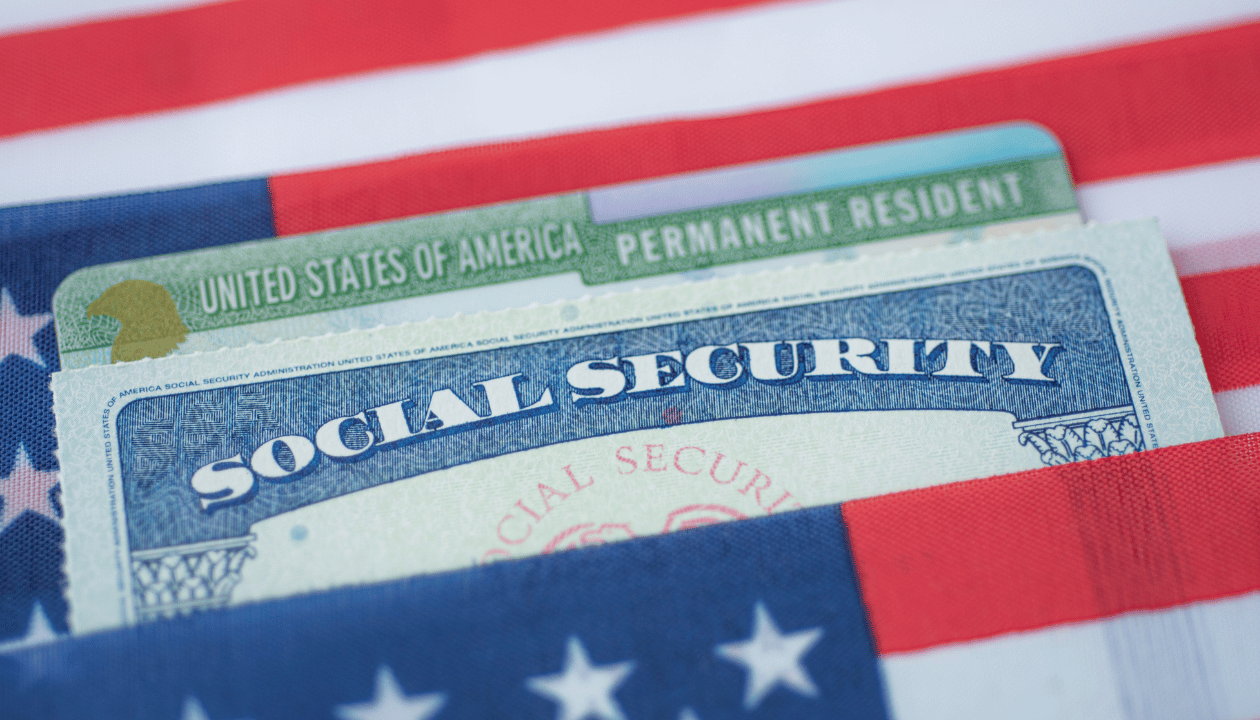
Men abused by a U.S. citizen or lawful permanent resident spouse may file a battered spouse self-petition Form I‑360 to pursue a green card independently. This tool empowers male survivors to break free from abusive situations without relying on their abuser.
✅ According to the CDC’s latest data, about 1 in 3 men in the U.S. have experienced contact sexual violence, physical violence, and/or stalking by an intimate partner during their lifetime.
These statistics show the undeniable reach of gender-based violence, underscoring why VAWA’s nondiscrimination rules guarantee equal protection. From law enforcement agencies to legal service providers, any survivor, including men, is entitled to help, safety, and legal remedies under the law.
Major Legislative Updates Supporting Male Victims
VAWA 2000 – Expansion of Coverage
The 2000 reauthorization added dating violence and protections for teens, expanding eligibility beyond spouses. It allowed grant programs to serve more family members, including youth and rural victims. By broadening terms like “partner” and “abuser,” the law supported survivors regardless of immigration status, age, or gender, ensuring no one is excluded based on relationship type.
VAWA 2005 – Explicit Gender-Neutral Language
Congress formally guaranteed equal protection for male survivors through the “nonexclusivity clause.” Programs receiving grant funding could no longer deny services based on gender. This change also required providers to collect gender-specific data. It marked a turning point for abused children, men, and others historically underrepresented in domestic or dating violence services.
VAWA 2013 – Inclusion of Sexual Orientation and Gender Identity
The 2013 update added sexual orientation and gender identity to VAWA’s nondiscrimination terms. Survivors could now seek help without fear of bias. Federal outreach and resource guides emphasized inclusivity. Agencies ensured local resources were better trained to serve survivors of all identities, helping to reach more people facing psychological abuse or other forms of harm.
VAWA 2022 – Modernized Provisions
VAWA 2022 expanded tribal jurisdiction, added protections against technological abuse, and emphasized that “all survivors” are covered. It encouraged agencies to respond in good faith and without bias. Male survivors facing abusive situations were reaffirmed as eligible for VAWA protections, removing doubt that the Violence Against Women Act also safeguards men.
Legal Recourse for Male Victims Under VAWA
Federal Crimes
VAWA covers crimes such as domestic violence, protection order violations, and interstate stalking (18 U.S.C. §§ 2261–2262), regardless of the victim’s gender. This allows male victims to obtain legal protections from law enforcement agencies.
Self‑Petitioning via Form I‑360
Men married to U.S. citizens or permanent resident parents of abusive family members may file a battered spouse or child self‑petition (Form I‑360) without the abuser’s involvement. This confidential process allows applicants to secure lawful status, including work authorization and a green card, even while still in an abusive.
Access to VAWA Grant Services
Male survivors can receive help from rape crisis centers, VAWA-funded shelters, and legal aid programs. These services include counseling, linguistically specific services, and protection measures.
Example Case
A male self-petitioner in Texas was awarded a green card after documenting years of emotional and physical abuse, including intimidation and financial control. His case was supported with a good-faith marriage declaration and confidential testimony from VAWA-funded support services.
Common Challenges Male Victims Face
Male survivors of intimate partner violence often confront serious barriers that prevent them from seeking help:
- Social stigma and underreporting: Many men fear they won’t be believed or may be labeled the abuser. CDC surveys show that only about 10% of men report sexual violence, physical abuse, or stalking by a partner to authorities.
- Lack of awareness about resources: Few men know about the national domestic violence hotline, local resources, or the full range of support available through VAWA grant programs.
- Misconceptions by law enforcement or service providers: Field officers or community advocates may mistakenly dismiss male victims, assuming abuse only affects women, overlooking cases of physical abuse, emotional manipulation, or intimidation.
These factors often discourage men from coming forward even in abusive situations, making it essential to promote inclusive support and ensure all survivors can confidently seek help.
Key Court Rulings Affirming Male Victim Protections
Federal courts have repeatedly affirmed that VAWA protects all survivors, regardless of gender. In United States v. Bell (9th Cir. 2002), a man was convicted under VAWA’s federal stalking statute, showing that male victims are fully covered under the law. Other appellate courts have ruled similarly, confirming that federal law is gender-neutral in addressing domestic or dating violence.
The DOJ Office of Legal Counsel further clarified this stance in its 2010 memorandum, stating: “Nothing in the text or structure of VAWA limits application to women.” This aligns with VAWA’s inclusive language and intent to ensure survivors of all identities receive equal protection.
While the Supreme Court’s decision in Morrison v. United States (2000) invalidated a civil remedy provision due to constitutional concerns, it did not limit criminal enforcement or services under VAWA. The core framework supporting victim services and protections remains intact and open to men, women, and family members impacted by abusive behavior.
Accessing VAWA Services as a Male Victim
You’re not alone. To reach support, men can call the National Domestic Violence Hotline ( 1‑800‑799‑7233 ) for referrals to safe shelters and legal aid funded under VAWA, including programs offering linguistically specific services and trauma counseling. These services are available regardless of immigration status or relationship type.
If you’re married to a U.S. citizen or permanent resident parent, VAWA lets you file a battered spouse self‑petition (Form I‑360) without the abuser’s knowledge. With good faith proof of abuse from physical violence to emotional abuse, or technological abuse, you may secure protection, access support services, and pursue a green card independently.
📌 A CDC study reports that about 56% of men in the U.S. experience intimate partner violence, contact sexual violence, or stalking in their lifetime. This underlines how vital it is that male survivors know help is real, confidential, and available, whether through shelters, support services, or immigration relief.
Role of Advocacy and Support Programs
Male victims of domestic or dating violence often face barriers to care, but many federal and state-funded programs, including those under the Violence Against Women Act (VAWA), ensure that victim services are not restricted by gender. From legal aid to shelter placement, services backed by the Department of Health and Human Services and grant programs like STOP and LAV provide broad access.
Community-based organizations across the U.S. are stepping up. Groups such as the National Center for Victims of Crime and region-specific advocacy centers offer local resources tailored to male survivors of emotional abuse, sexual violence, or intimate partner violence. These programs help with documentation, protection orders, and referrals to rape crisis centers or medical providers.
VAWA’s grant funding has significantly impacted how law enforcement agencies and nonprofits respond to male survivors. From improving law enforcement response training to ensuring shelters accommodate all genders, these federal law initiatives help ensure survivors, regardless of sex, can safely leave abusive situations and rebuild with dignity.
The Future of VAWA and Male Victim Support
Emerging policy shifts suggest that VAWA may soon see expanded grant programs expressly designed to reach underserved populations, including male victims. Recent Department of Justice funding calls underscore growing support for male and youth outreach.
Recognition of gender-based violence is growing: the National Crime Victimization Survey found that nearly 36% of men in the U.S., about 4.9 million men, have experienced intimate partner violence at some point.
As awareness mounts, advocacy groups are pushing for more inclusive programs at the federal and local levels that ensure no survivor, male or female, is overlooked. Future initiatives may include community training, updated resource guide materials, and stronger outreach through local resources for reporting and recovery.
Key Takeaways for Male Victims
If you’re a male victim of intimate partner violence, sexual assault, or emotional abuse, you’re not alone, and you are protected. The Violence Against Women Act (VAWA) applies to all genders, offering equal access to legal aid, immigration relief, and support services backed by federal law.
Still, many suffer in silence. In 2022, only 42% of violent victimizations were reported to police, meaning a majority of survivors, especially men, may never receive the help they deserve.
You don’t have to wait. If you’re experiencing abusive behavior, take action. Local resources, linguistically specific services, and federal protections are available now. You deserve safety, dignity, and justice, just like every other survivor.
Don’t Face Domestic Abuse Alone
If you’re a man facing domestic or dating violence, psychological abuse, or threats from a partner or family member, know this: you have rights, and you are not alone. The law protects you just as it does any survivor. But taking the first step can feel overwhelming.
At The Chidolue Law Firm, we understand how hard it can be for male victims to speak up. Whether you need help with a VAWA self-petition, understanding your immigration status, or accessing victim services, we’re here to guide you every step of the way with privacy, dignity, and legal clarity.
📞 Call The Chidolue Law Firm today at:
➡ 407-995-6567
➡ 678-325-1037
💬 For WhatsApp inquiries, contact us at:
➡ 404-333-8751
You don’t have to figure this out on your own. We’re here to help.