Form I-751 and Conditional Green Cards
Remove Conditions From Your Green Card.
If you received a two-year conditional Green Card through marriage, you may need to file Form I-751 to request the removal of conditions on your residence. The Chidolue Law Firm helps clients evaluate joint filings, waiver options, evidence, deadlines, and next steps.
Immigration guidance for conditional permanent residents and their families throughout the United States.
Conditional Permanent Residence
A Two-Year Green Card Usually Requires Another Important Step.
Some people who receive lawful permanent residence through a marriage that was less than two years old at the time of approval receive conditional permanent resident status instead of a standard ten-year Green Card.
Conditional residence is generally valid for two years. To request removal of the conditions, eligible conditional residents typically file Form I-751, Petition to Remove Conditions on Residence.
In many joint filing cases, Form I-751 must be filed during the 90-day period before the conditional residence expires. Waiver cases, late filings, divorce, abuse, death of a spouse, or extreme hardship can involve different legal considerations.
Your Expiration Date Matters.
Filing deadlines can be important. A consultation can help you understand the filing window, available options, documentation, and whether a joint petition or waiver request may apply to your circumstances.
How Removal of Conditions Works
Joint Filing and Waiver Options May Be Available.
The right strategy depends on whether you are filing together with your spouse or seeking to file independently.
Joint I-751 Filing
Many conditional residents file Form I-751 jointly with their spouse and provide evidence that the marriage was entered into in good faith.
Divorce or Annulment Waiver
If the marriage ended in divorce or annulment, a conditional resident may be able to request a waiver of the joint filing requirement if the marriage was entered into in good faith.
Abuse or Extreme Cruelty Waiver
Some conditional residents may be eligible to seek a waiver if they were subjected to battery or extreme cruelty by a qualifying spouse.
Death of a Spouse
A surviving conditional resident may be able to file without a joint petition if their spouse passed away, depending on the facts and applicable requirements.
Extreme Hardship Waiver
In some circumstances, a waiver may be available when removal from the United States would result in extreme hardship.
Late Filing Review
Filing after the normal deadline can create additional issues. In certain situations, USCIS may consider a late filing if there is a reasonable explanation.
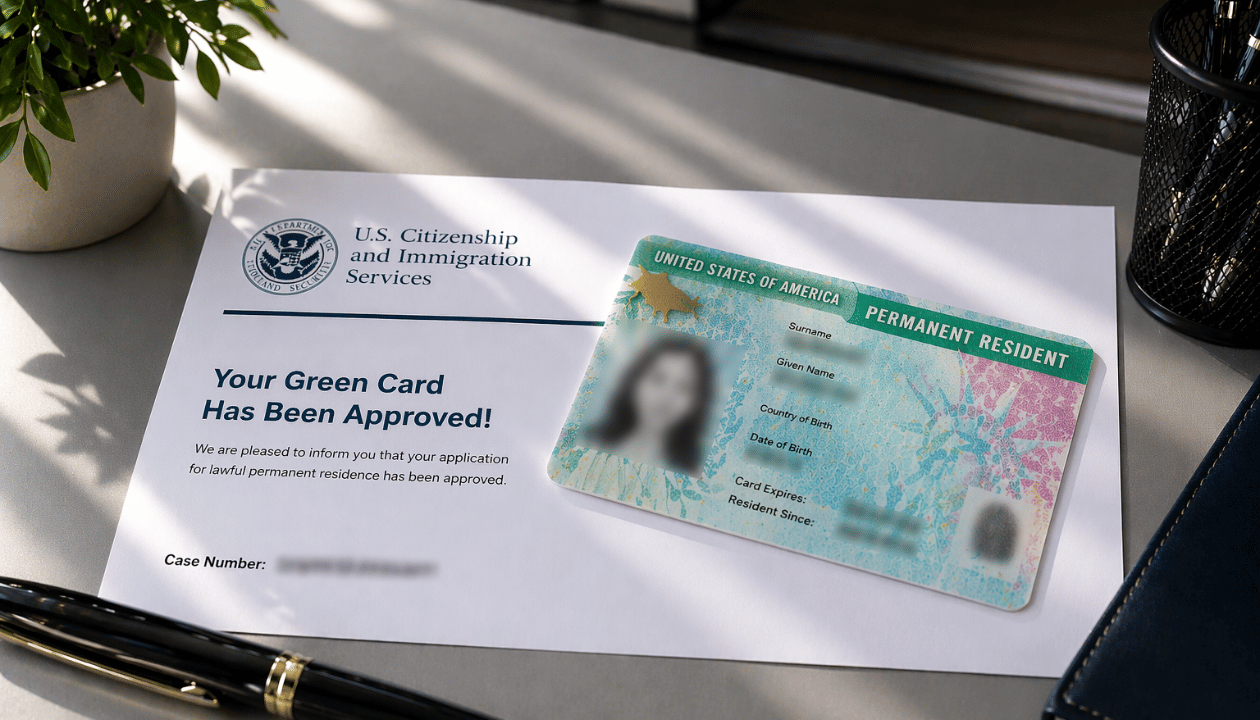
Evidence of a Good Faith Marriage
Good-Faith Marriage Evidence Matters.
USCIS generally evaluates whether a marriage was entered into in good faith and not solely for immigration purposes. The type, strength, and relevance of supporting evidence depend on the facts of each relationship and the filing strategy being used.
At The Chidolue Law Firm, we review your circumstances carefully and help identify the documentation and supporting evidence that may be most appropriate for your specific case, whether you are filing jointly or requesting a waiver.
Common I-751 Concerns
Some Cases Need Additional Planning.
Marriage Problems or Separation
A relationship may change before the I-751 filing is complete. Depending on the facts, a waiver request or another strategy may be available.
Divorce Before Filing
Divorce does not automatically mean that a conditional resident cannot seek removal of conditions. The facts of the marriage and the available evidence are important.
Requests for Evidence
USCIS may issue a Request for Evidence if it needs additional documentation. Careful responses can be important for keeping the case moving forward.
Interview Notices
Some I-751 cases may involve an interview. Preparation can help applicants understand the issues that may be reviewed.
Prior Immigration Issues
Prior immigration history, criminal history, travel, or other immigration concerns may affect strategy and should be reviewed carefully.
Removal Proceedings
If a person is already facing immigration court or removal proceedings, the I-751 process may involve additional legal considerations.
How We Help
A Clear Process for an Important Immigration Filing.
Case Review
We review your conditional Green Card, timeline, relationship history, and the circumstances affecting your I-751 filing.
Filing Strategy
We help determine whether a joint petition, waiver request, late filing explanation, or another approach may be appropriate.
Evidence Preparation
We help organize documents, declarations, relationship evidence, and supporting materials that may be relevant to the case.
Guidance Through the Process
Our team provides guidance regarding receipt notices, requests for evidence, interviews, and possible next steps when applicable.

Why Choose The Chidolue Law Firm?
Immigration Guidance for Important Family-Based Cases.
The Chidolue Law Firm focuses on immigration law and assists clients with marriage-based Green Cards, removal of conditions, waivers, VAWA-related matters, family petitions, removal defense, and other complex immigration cases.
Client Reviews
Trusted by Immigration Clients Across the U.S.
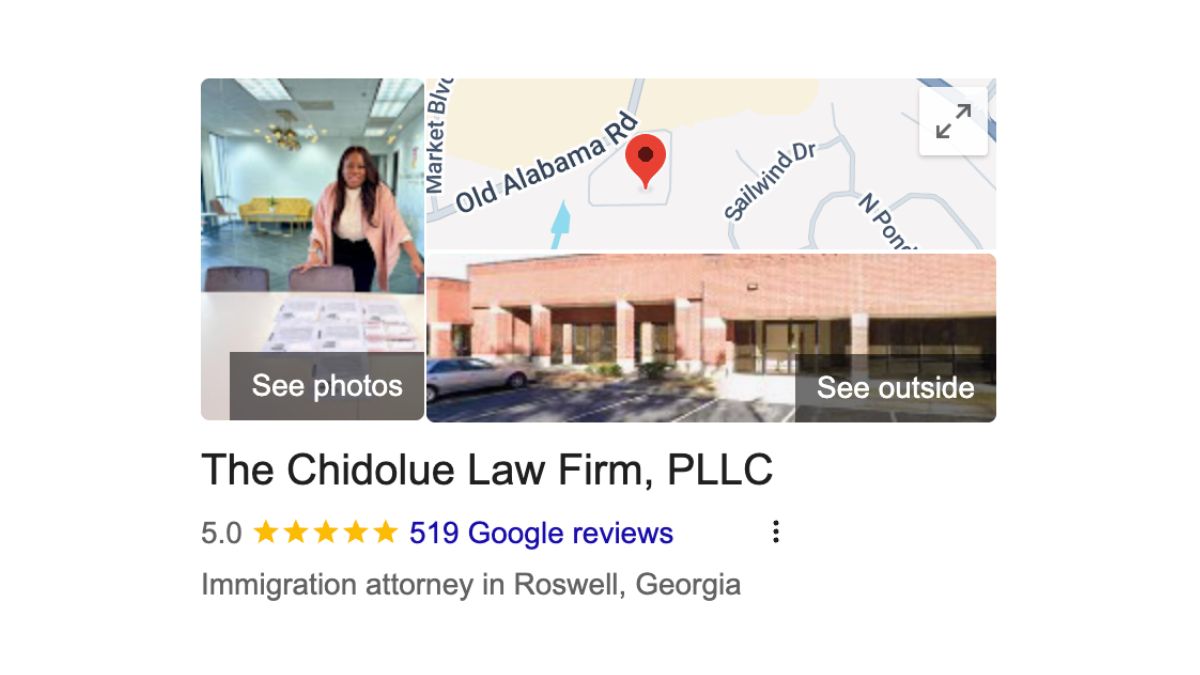
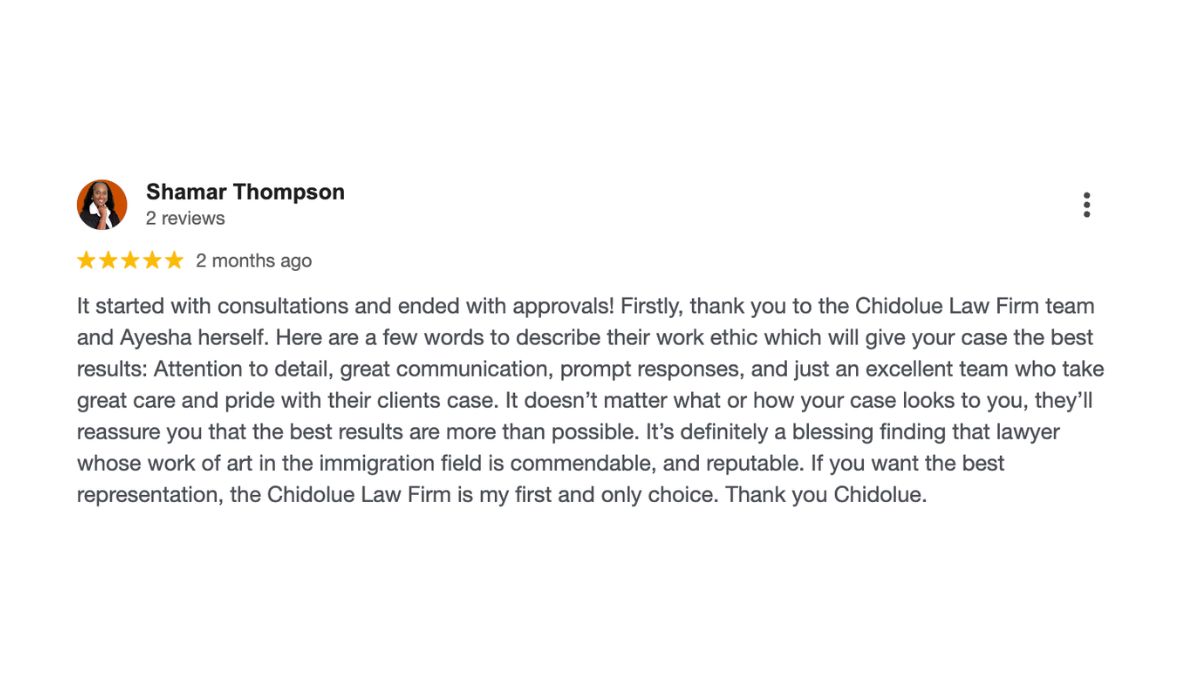
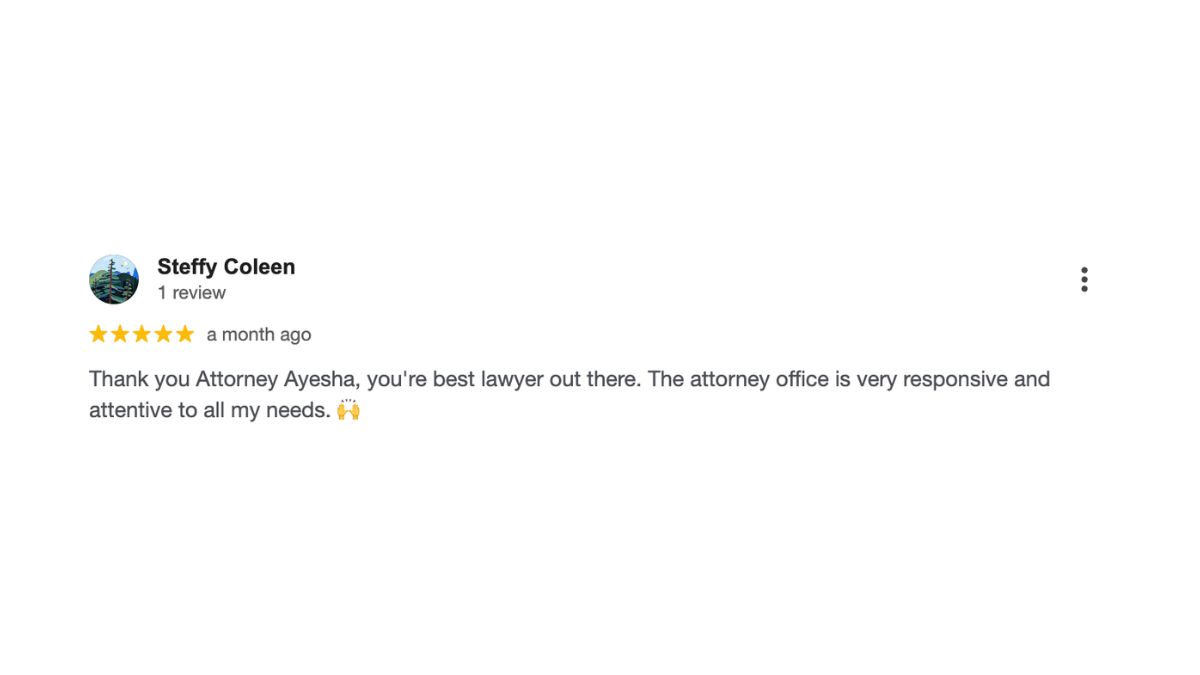
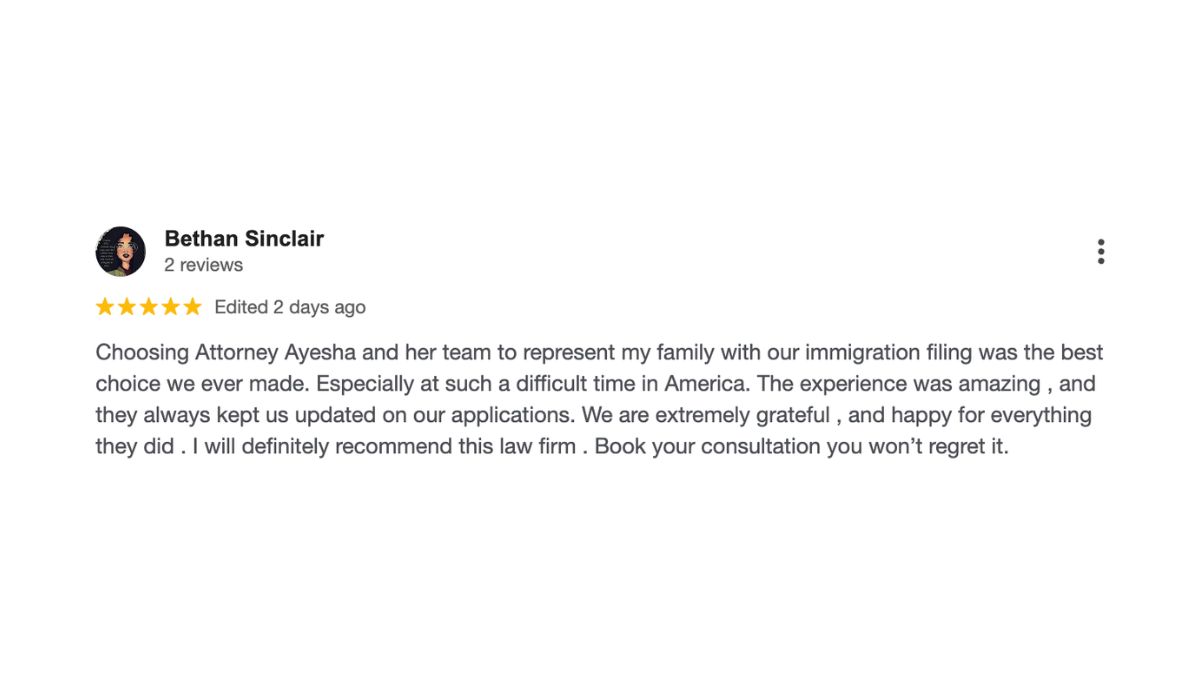
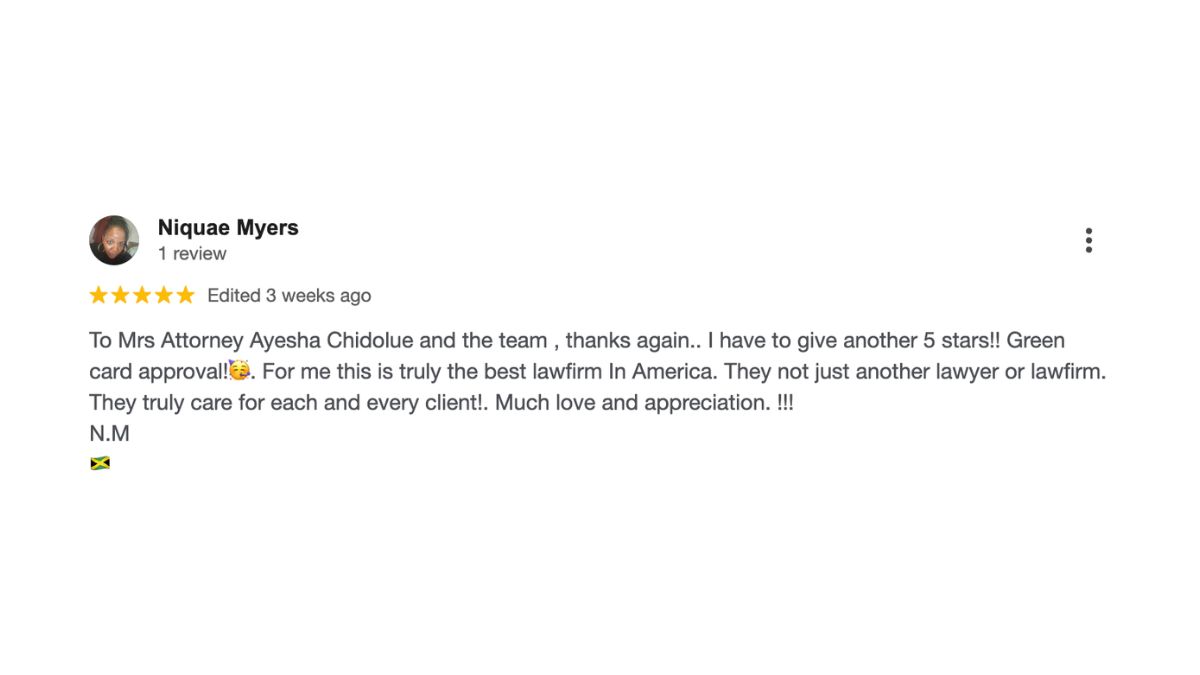
The Chidolue Law Firm is rated 5.0 on Google, with more than 500 client reviews from individuals and families who trusted the firm with their immigration matters.
Frequently Asked Questions
Removal of Conditions FAQ
What is Form I-751?
Form I-751 is the Petition to Remove Conditions on Residence. It is generally used by conditional permanent residents who received a two-year Green Card through marriage.
When should I file Form I-751?
Many joint petitions are filed during the 90-day period before conditional residence expires. The correct timing can vary in waiver situations or other special circumstances.
Can I file if I am divorced?
In some cases, yes. A conditional resident may be able to request a waiver of the joint filing requirement if the marriage was entered into in good faith and other requirements are met.
Can I file without my spouse?
A waiver may be available in certain situations, including divorce, death of a spouse, battery or extreme cruelty, or extreme hardship. Eligibility depends on the facts.
What happens after I file?
USCIS may send a receipt notice showing that the filing is pending. The case may later involve additional evidence, an interview, or a decision depending on the circumstances.
What if I missed the deadline?
A late filing can create complications, but there may be options depending on the reason for the delay and the details of the case. Speaking with an immigration attorney promptly can help.
Private Consultation
Learn About Your I-751 Options.
Speak with an immigration attorney about your conditional Green Card, filing timeline, waiver questions, and possible next steps.
Schedule Your Consultation
Choose a time to speak privately with our team about removal of conditions, Form I-751, or a possible waiver request.
This website provides general information and does not create an attorney-client relationship. Past results and client reviews do not guarantee a similar outcome. Immigration eligibility and outcomes depend on the facts and law applicable to each case.
