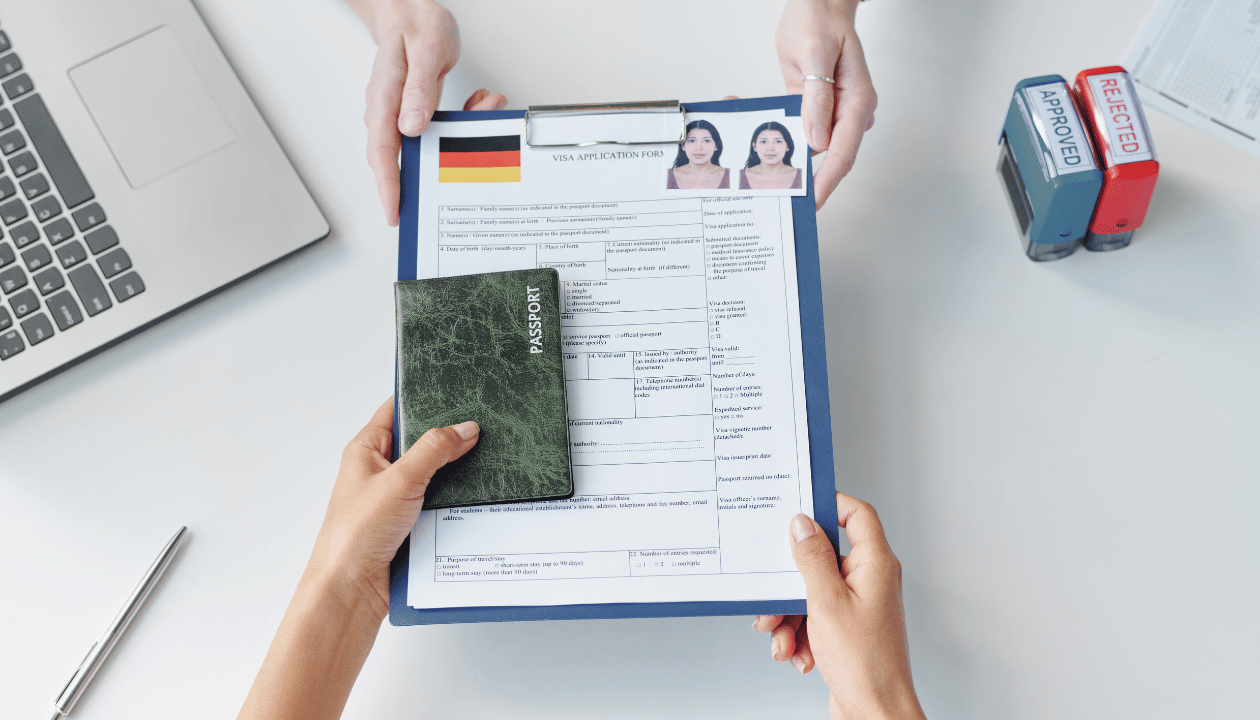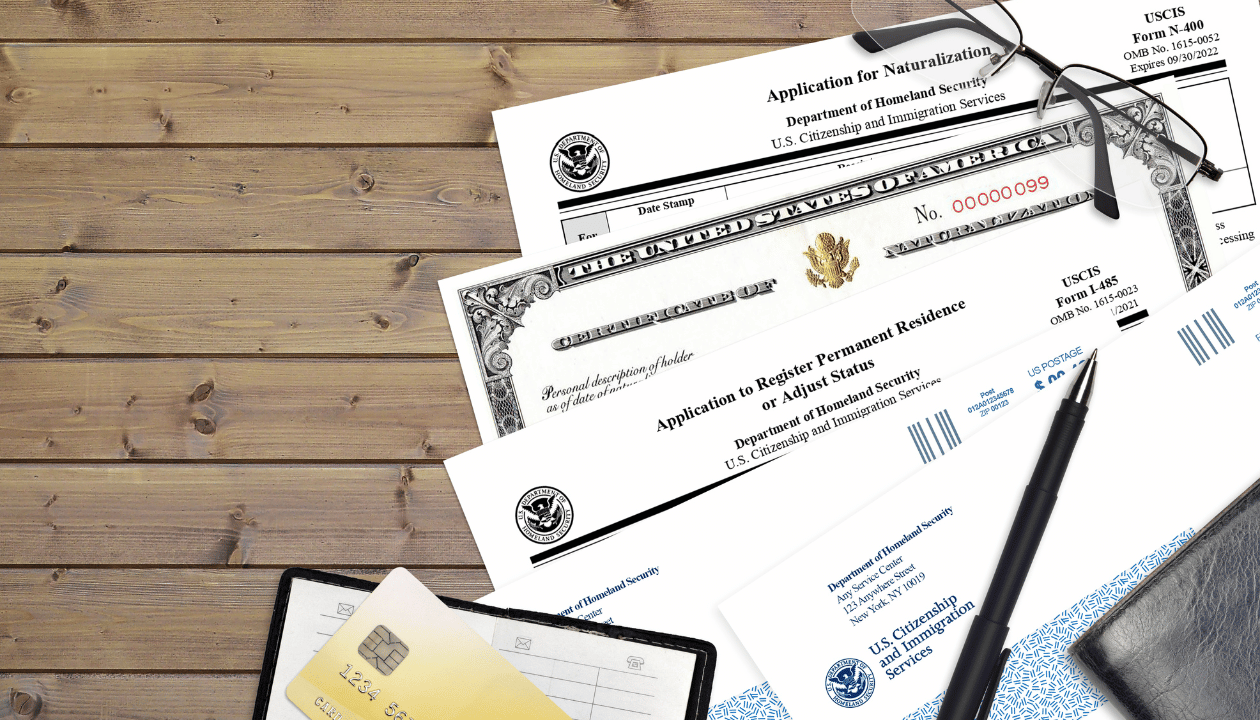






Form I-130, Petition for Alien Relative, is the first step for U.S. citizens and lawful permanent residents who want to bring close family members to live permanently in the United States. Understanding current timelines in 2026 is essential for proper planning, especially as processing trends continue to shift. The process involves two stages: first, petition approval by U.S. Citizenship and Immigration Services, and second, waiting for an immigrant visa number to become available if the family category is subject to annual limits.
Processing times vary depending on the service center and the type of family relationship. To review the most up to date case timelines directly from the government, applicants can use the official USCIS Case Processing Times tool for I-130 petitions available on the USCIS website. This tool allows families to check current processing time ranges by office, service center, and category, helping them stay informed as they move forward with their immigration plans.
Why Processing Times Differ
Two factors primarily control I-130 wait times: USCIS processing speed for the petition and availability of a visa number for your relative’s category. Immediate relatives of U.S. citizens, such as spouses, parents, and unmarried children under 21, face no annual cap, allowing faster movement. Family preference categories like F1, F2A, F2B, F3, and F4 are subject to yearly limits and backlogs.
Immigration experts note USCIS prioritizes petitions with shorter or no visa queues. For instance, a U.S. citizen’s spouse petition often approves quicker than F4 sibling cases, which face significant delays. As of the March 2026 Visa Bulletin, the F4 Final Action Date stands at January 8, 2008, translating to waits of 18+ years for recent filers.
Immediate Relative I-130 Timeline
Immediate relatives enjoy the quickest I-130 approvals since their visas stay perpetually available, free from annual limits. U.S. citizens filing for spouses inside the country typically pair the I-130 with the I-485 Adjustment of Status for streamlined processing. This concurrent approach often leads to green card interviews and approvals in under a year.
For spouses or parents living abroad, the petition advances to the National Visa Center (NVC) steps after approval. Domestic concurrent filings continue to outpace overseas ones, aligning I-130 timelines closely with overall adjustment approvals.
Family Preference Categories (F1–F4)
When sponsoring adult children, married children, siblings, or when a lawful permanent resident files for a spouse or child, waits stretch much longer. USCIS sometimes takes years to approve these petitions, especially when visa availability lags decades behind.
For instance, green card holders filing for a spouse or minor child under the F2A category face substantial backlogs in 2026, with September 2022 priority dates only recently becoming current. After I-130 approval, filers typically wait another 2-3 years for visa availability, plus 6-12 months of final processing, pushing total timelines to 4-6 years or longer. Sibling petitions (F4) and married children of U.S. citizens (F3) can linger for years as well
After approval, cases enter the Visa Bulletin queue. As of March 2026, F4 siblings from Mexico advance to dates around March 2001, Philippines to 2005, while worldwide F1 unmarried adult children of citizens hover near 2016, reflecting a persistent nine-year backlog.
Adjustment of Status vs Consular Processing
After the petition is approved, your relative either adjusts status in the U.S. or completes the process abroad through the National Visa Center (NVC).
Adjustment of Status tends to move faster when a visa is available. As of early 2026, most family-based I-485 applications process in around 10 months once filed. Applicants inside the U.S. can also apply for an Employment Authorization Document (EAD) with Form I-765.
Consular processing can introduce additional delays. After USCIS approval, the NVC collects fees and documents, then schedules an interview at a U.S. embassy or consulate. Backlogs persist despite improvements, with waits often spanning several months depending on location.
Avoiding Delays and Speeding Up Your I-130
- File as soon as possible. Your priority date sets your place in line, and earlier is better. The current I-130 filing fee is $675 by mail or $625 online.
- Send a complete package. Missing proof of relationship or translations can cause a Request for Evidence (RFE). Each RFE can add months.
- Track your case online. The USCIS case status tool can alert you to updates or lost notices. You can ask USCIS for help if your petition is outside normal times.
- Request an expedite if truly urgent. Expedited approval is rare and only for emergencies such as severe hardship or military deployment.
- Get professional advice if needed. Complex cases or past denials often benefit from an experienced immigration attorney. Over 99 percent of I-130 petitions are approved, but denials often come from missing or weak evidence.
Life After I-130 Approval
Approval is a major milestone, but not the final step.
- If your family member is in the U.S., they can continue or finish their green card application through Adjustment of Status. Many applicants receive their interview and green card within a year after filing.
- If your family member is abroad. The case moves to the National Visa Center. You pay fees, submit civil and financial documents, and wait for the priority date to become current. Once a slot opens, the NVC schedules a consular interview. After the visa is issued, your relative enters the U.S. as a permanent resident and the green card is mailed.
Navigate I-130 Delays & Keep Your Family’s Case Moving
Filing Form I-130 is just the first step. Long waits, missing documents, or USCIS backlogs can stall your family’s green card journey. Our team helps you prepare a strong petition, avoid RFEs, track processing updates, and plan the next move, whether your relative is adjusting status in the U.S. or completing consular processing abroad.
If this feels overwhelming, you’re not alone. The Chidolue Law Firm provides clear strategy, precise filing, and hands-on support every step of the way.
📞 Call The Chidolue Law Firm today at:
➡ 407-995-6567
➡ 678-325-1037
💬 For WhatsApp inquiries, contact us at:
➡ 404-333-8751
Let us help you overcome delays and bring your loved ones home faster.