


Confidential Immigration Guidance
Confidential VAWA Immigration Guidance
If you are exploring immigration options after a difficult family situation, VAWA may allow certain eligible applicants to move forward without the qualifying family member’s participation, consent, or sponsorship.
Your consultation is confidential. Our team can help you understand your options based on your specific circumstances.
Understanding Your Options
Immigration Matters Can Feel Uncertain When Family Circumstances Are Complicated
Many people are unsure whether they can move forward with an immigration case when the qualifying family member is unwilling or unable to participate. This can create confusion, delays, and uncertainty about what steps may be available.
In certain situations, U.S. immigration law may provide a path forward through a VAWA self-petition. Speaking with an experienced immigration attorney can help you understand whether this option may apply to your case.
Understanding VAWA
What Is VAWA?
The Violence Against Women Act, commonly known as VAWA, allows certain victims of battery and/or extreme cruelty committed by a qualifying U.S. citizen or lawful permanent resident family member to file an immigration petition on their own.
Eligible applicants may be able to move forward without the participation, consent, or sponsorship of the abusive family member. Despite its name, VAWA protections may be available to eligible women, men, and children.
Independent Filing
Eligible applicants may be able to file without relying on the abusive family member to sponsor, support, or participate in the case.
Confidentiality Protections
VAWA cases include important confidentiality protections under federal law designed to help protect eligible applicants.
Possible Immigration Path
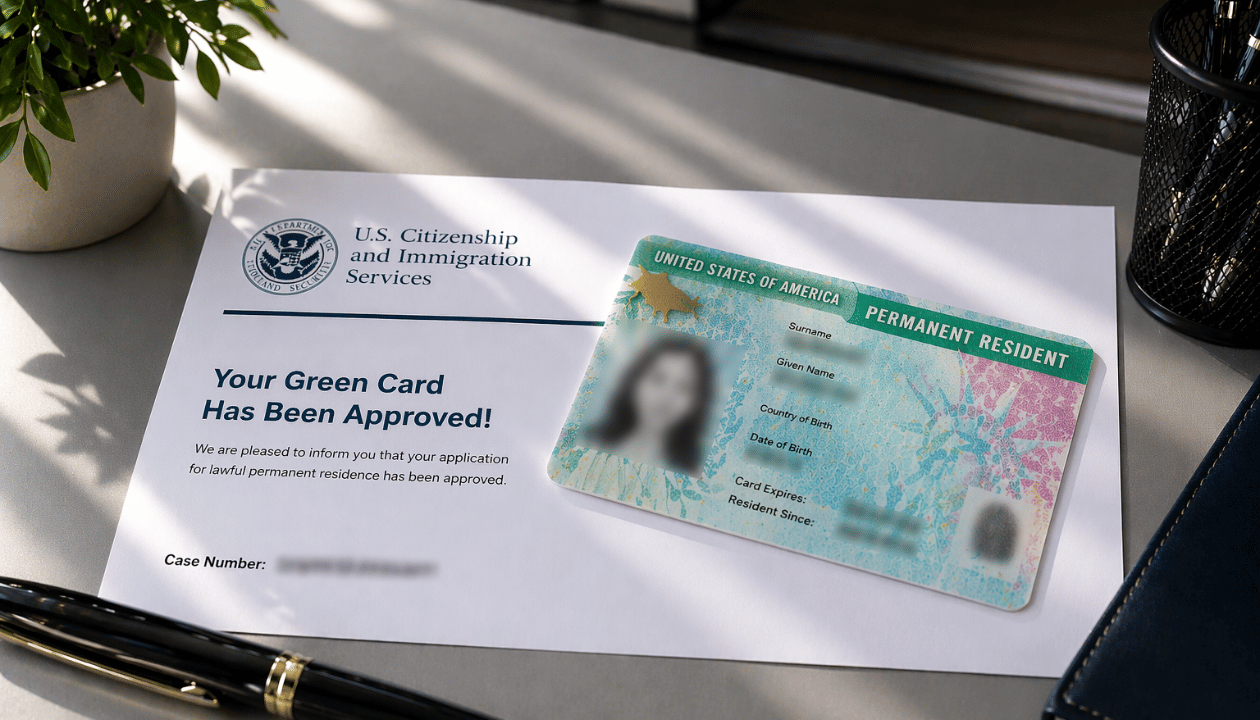
Depending on the facts of the case and the applicant’s eligibility, a successful VAWA petition may provide a path toward lawful permanent residence.
Who May Be Eligible?
VAWA May Apply to Certain Family-Based Immigration Situations
VAWA may be available to certain individuals who have experienced battery and/or extreme cruelty by a qualifying U.S. citizen or lawful permanent resident family member and who meet the legal requirements for this type of petition.
- Spouse of a U.S. citizen or lawful permanent resident
- Child of a U.S. citizen or lawful permanent resident
- Parent of a U.S. citizen son or daughter, when eligible
- Individuals who experienced battery and/or extreme cruelty by a qualifying family member
- Applicants who need confidential legal guidance before deciding what to do next
Battery or Extreme Cruelty
Abuse Is Not Always Physical
Battery or extreme cruelty may take many forms and does not always involve physical violence. The facts of each situation matter, and a careful legal evaluation can help determine whether VAWA may be available.
Physical Abuse
This may include physical harm, threats of physical harm, or other conduct involving violence.
Emotional or Psychological Abuse
Depending on the circumstances, this may include intimidation, manipulation, humiliation, threats, or conduct intended to cause fear or emotional harm.
Control or Coercion
Isolation from friends or family, financial control, coercive behavior, and other abusive conduct may also be relevant in some cases.
Important to Know
Not Every Difficult Relationship Qualifies Under VAWA
VAWA eligibility depends on the specific facts, the qualifying relationship, the nature of the abuse, and other immigration requirements. An attorney can review your circumstances and explain whether VAWA or another immigration option may be available.
Common Eligibility Requirements
Every Case Is Different, But Certain Legal Requirements May Apply
In addition to establishing a qualifying relationship and battery and/or extreme cruelty, applicants may need to demonstrate other requirements depending on their circumstances.
Qualifying Family Relationship
The applicant may need to establish a qualifying relationship with a U.S. citizen or lawful permanent resident spouse, parent, or child.
Residence With the Family Member
Applicants may need to show that they resided with the qualifying family member at some point.
Good-Faith Relationship
When applicable, the relationship may need to have been entered into in good faith and not solely for immigration purposes.
Good Moral Character
Applicants may need to establish good moral character and meet other applicable immigration requirements.
Why Chidolue Law Firm?
Focused Immigration Guidance for Sensitive Cases
VAWA cases require careful preparation, legal strategy, and a clear understanding of the applicant’s personal and immigration history. Our team helps clients evaluate their options and prepare their cases with discretion and care.
Immigration-Focused Experience
Our team focuses on immigration matters, including family-based petitions, humanitarian immigration, adjustment of status, waivers, and VAWA-related cases.
Confidential Case Evaluation
We take time to understand your situation before explaining possible options, risks, and next steps.
Nationwide Representation
Chidolue Law Firm serves clients across the United States and offers immigration guidance for clients in different circumstances.
Respectful Legal Support
You do not need to know exactly which immigration option applies to you. Our role is to listen, review your facts, and help you understand what may be possible.
Frequently Asked Questions
Common Questions About VAWA
Who may qualify for VAWA?
VAWA may be available to certain victims of battery and/or extreme cruelty committed by a qualifying U.S. citizen or lawful permanent resident spouse, parent, or child who meet the legal requirements for a VAWA self-petition.
Do I need the qualifying family member to participate?
No. One of the key protections under VAWA is that eligible applicants may be able to file without the participation, consent, or sponsorship of the abusive family member.
Is the VAWA process confidential?
VAWA cases include important confidentiality protections under federal law. Information related to the case is generally protected, and an immigration attorney can explain how confidentiality may apply in your specific situation.
Can I apply if I am divorced?
Possibly. Certain former spouses of U.S. citizens or lawful permanent residents may still qualify for a VAWA self-petition if the marriage ended within the two years immediately before filing and the applicant meets all other legal requirements. Eligibility depends on the specific facts of the case.
What kind of evidence may be needed?
Evidence varies by case. It may include documents showing the qualifying relationship, residence together, a good-faith relationship when required, battery or extreme cruelty, good moral character, personal statements, messages, records, witness letters, or other supporting materials.
Confidential Consultation
Schedule a Confidential Consultation
Choose a time that works for you. Your consultation request is confidential, and our team can help you understand whether VAWA or another immigration option may be available.
Schedule Your Immigration Consultation
Select an available time below to request your consultation.
