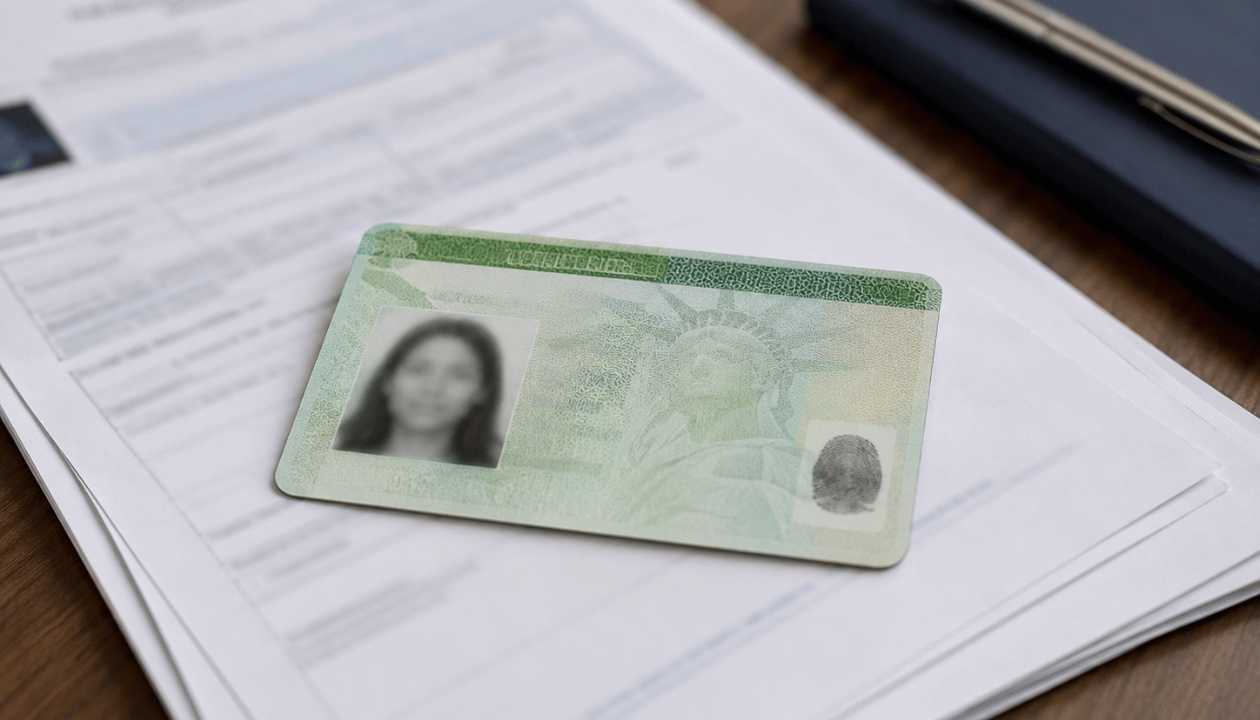






Advance Parole is a travel authorization that allows certain noncitizens to re-enter the United States after traveling abroad without losing their pending immigration status or applications. In 2025, changes in U.S. immigration policy and heightened border scrutiny have made it more important than ever to understand how advance parole works and who should use it.
Recent executive actions (e.g. a January 2025 executive order) tightened some parole programs, but holders of valid advance parole documents (Form I-512) remain generally exempt from those new restrictions. However, U.S. Customs and Border Protection (CBP) officers retain discretion at the port of entry to deny admission, so travel still carries risks even with advance parole.
This comprehensive guide explains what advance parole is, who is eligible in 2025, how to apply, and essential travel precautions for smooth re-entry into the U.S.
What is Advance Parole?
Advance parole is permission to re-enter the U.S. after temporary travel abroad, granted in advance of departing. It is a form of discretionary “parole” issued by U.S. Citizenship and Immigration Services (USCIS), a component of the Department of Homeland Security (DHS). The advance parole document (Form I-512) is presented to CBP when arriving back in the U.S. to request parole entry.
Importantly, advance parole is not a visa or a guarantee of admission; final entry is dependent on the CBP officer’s discretion at the port of entry. Holding advance parole simply means CBP may permit re-entry based on the prior authorization, instead of treating the departure as abandonment of status or pending applications.
Who Can Apply for Advance Parole in 2025?
Advance parole is available to certain noncitizens already in the United States who need to travel abroad temporarily. Key groups who often qualify include:
Green Card Applicants (Adjustment of Status Applicants):
Almost all individuals with a pending Form I-485 (Application to Adjust Status) can apply for advance parole to travel without abandoning their green card application. This includes family-based or employment-based applicants waiting for a decision. Exception: If you leave without advance parole (and without a valid dual-intent visa like H-1B/L-1), USCIS will consider your I-485 abandoned, and you likely lose your application.
DACA Recipients:
Individuals with Deferred Action for Childhood Arrivals (DACA) who are currently approved for DACA may request advance parole, but only for specific purposes. USCIS policy stipulates that DACA holders can travel abroad solely for educational, employment, or humanitarian reasons (e.g. study abroad programs, work assignments, conferences, or urgent family matters like visiting a gravely ill relative). Even then, DACA advance parole remains discretionary and subject to strict requirements (e.g. DACA status must remain valid throughout travel).
TPS Holders:
Recipients of Temporary Protected Status (TPS) can apply for a travel document as well. In fact, USCIS will issue Form I-512 for TPS beneficiaries who are approved for travel; this serves as their advance parole document. Travel on TPS advance parole can be important for those who entered without inspection, as returning with parole may be treated as a lawful entry for purposes of adjusting status (due to policy changes reversing the Matter of Z-R-Z-C- restriction) immigration. TPS holders should always consult an attorney, since travel policies have evolved and individual circumstances vary.
Humanitarian Cases (Parole Programs):
Individuals approved under certain humanitarian or significant public benefit parole programs (e.g. refugees, asylees, or special programs) might use advance parole-like documents to enter. However, note that in March 2025, DHS terminated certain categorical parole programs (for Cubans, Haitians, Nicaraguans, and Venezuelans), which had allowed travel to the U.S. under a special process. Those programs’ termination does not affect standard parole for other applicants, but it shows that the landscape of parole policies can change.
Others:
Holders of U visas or T visas (victims of crime or trafficking) and applicants for relief under VAWA (Violence Against Women Act) are eligible for advance parole. In fact, USCIS in 2025 updated filing addresses for advance parole applications related to VAWA, T, or U cases; such applicants must now mail Form I-131 to specific lockbox locations (instead of the Nebraska Service Center). Always check USCIS instructions for the latest filing details if you fall under these categories.
Advance Parole for Green Card Applicants (Adjustment of Status)
For most people adjusting status to permanent resident, advance parole is a vital safeguard if international travel is needed. Leaving the U.S. without advance parole while an I-485 green card application is pending almost always results in USCIS denying the application as having been abandoned. Advance parole prevents this by preserving the pending status during travel.
Green card applicants usually request advance parole at the same time as their I-485 (often receiving a “combo card” that is both an Employment Authorization Document and Advance Parole). If not filed together, one can submit Form I-131 separately. Processing times for advance parole can range from a couple of months to over 6 months in 2025, so advance planning is important. Emergency situations (like a critically ill family member abroad) may justify an expedited request, but approval isn’t guaranteed.
Important: Even with advance parole, adjustment applicants should travel cautiously. If you have unlawful presence or other inadmissibility issues, consult an attorney before travel – advance parole doesn’t erase those issues. Also, ensure your passport is valid for the duration of travel; the advance parole document does not replace your passport, it only serves as a U.S. re-entry permit.
Advance Parole for DACA Recipients
Advance parole has historically been available to DACA recipients, and under the Biden administration (2021-2024), many DACA holders obtained advance parole for qualifying purposes. Travel on advance parole could even open a pathway to a green card for DACA recipients who originally entered without inspection, if they have an immediate relative petition – by being “paroled” back in, they meet the legal entry requirement for adjustment. However, in 2025, the legal landscape for DACA is highly uncertain. Ongoing court cases have challenged DACA’s legality, and portions of the program have been ruled unlawful. As of April 2025, DACA renewals continue, but no new DACA applications are being accepted, and the program’s future is in limbo.
Because of this uncertainty, international travel is extremely risky for DACA recipients in 2025. Even with an approved advance parole document, there is no guarantee of reentry – CBP officers can deny admission, and a change in DACA’s status while you are abroad could leave you unable to return. Immigration advocates strongly recommend against non-essential travel for DACA recipients at this time. If travel is absolutely necessary, speak with an experienced immigration attorney first. An attorney can review your immigration history (e.g. any prior removal orders, missed court dates, or multiple illegal entries) and any criminal record factors, as these could raise red flags with CBP. In short, while advance parole is technically available for DACA holders (for education, work, or humanitarian needs), the prudent approach in 2025 is to postpone travel unless absolutely imperative.
Advance Parole for TPS Holders
For individuals with Temporary Protected Status, advance parole remains an important benefit. TPS beneficiaries must obtain advance parole (via Form I-131) before traveling, and upon return, they receive a parole entry documented on Form I-94. Thanks to a 2022 policy reversal, USCIS now generally treats a TPS holder’s parole entry as satisfying the “inspected and admitted or paroled” requirement of immigration law for future adjustment of status. This is especially beneficial if the person’s original entry into the U.S. was without inspection. Essentially, traveling on TPS advance parole and returning can legally “reset” one’s entry status to paroled, potentially making a TPS holder eligible for a green card through a family or employer petitioner (if other requirements are met).
In 2025, TPS continues for various countries, and TPS beneficiaries should carefully follow USCIS instructions. Notably, if your initial TPS application is still pending when advance parole is approved, USCIS issues Form I-512L (advance parole document), whereas if TPS is already granted, they issue Form I-512T. Before traveling, double-check your TPS expiration date and advance parole validity, and be mindful of any travel advisories. As with others, CBP has final say at re-entry traveling while a TPS re-registration or asylum/refugee application is pending could be complex, so legal guidance is advised.
How to Apply for Advance Parole (Form I-131)
The process to obtain advance parole in 2025 involves filing Form I-131, Application for Travel Document with USCIS. Key steps and requirements include:
Form & Supporting Documents:
Complete Form I-131, indicating the appropriate category (e.g. re-entry permit, advance parole for adjustment applicant, advance parole for DACA/TPS, etc.). Include supporting evidence: for example, a copy of your I-485 receipt notice if you are an adjustment applicant, proof of DACA approval and a statement of your purpose of travel if DACA, proof of TPS status, or documentation of the urgent humanitarian reason if applicable. A copy of a valid passport is typically required, and with passport-style photos. If you have had previous advance parole granted, include copies of those documents as well (to show history of compliance).
Filing Fee:
Check the current Form I-131 amount on USCIS’s official Fee Schedule or use the Fee Calculator before you file. Fees changed in 2025, so rely on those pages for the exact total that applies to your category and filing date.
You may pay by money order, personal check, or cashier’s check payable to the U.S. Department of Homeland Security. You may also pay by credit or debit card using Form G-1450 when mailing to a USCIS lockbox.
Filing fees are final and nonrefundable, even if USCIS denies the request or you withdraw it.
Where to File:
Filing addresses depend on your situation. In 2025, filing locations were updated for certain categories (VAWA, T, and U cases now go to the lockbox, not the service center). Always check the USCIS “Direct Filing Addresses” for Form I-131 for the correct mailing address corresponding to your category to avoid processing delays.
Processing & Travel Caution:
After filing, USCIS will issue a receipt notice (Form I-797C) confirming they received your application. Normal processing can take several months; you can track case status online with the receipt number. Do not depart the U.S. until advance parole is approved, unless you have a valid dual-intent visa exemption. If you leave while the I-131 is pending (and you didn’t have a valid advance parole or certain visa), it could result in denial of the I-131 and abandonment of any I-485 in progress. In urgent cases, you may request an in-person emergency advance parole appointment at a USCIS office, but such requests require strong proof of emergency (like a death or critical illness in the family).
Traveling on Advance Parole: Tips for a Smooth Reentry
Traveling internationally with advance parole in 2025 requires careful preparation. Even though advance parole is a legal travel authorization, travelers should be ready for heightened scrutiny at U.S. ports of entry. Here are essential tips to help ensure a smooth re-entry:
Expect Additional Screening:
Be mentally prepared for the possibility of secondary inspection. CBP officers may ask extra questions about your trip and background, even if your documents are in order. This is routine, given increased enforcement focus. Remain calm and answer honestly. Extended questioning doesn’t mean something is wrong; sometimes it’s just random or due to your travel history.
Carry Comprehensive Documentation:
In addition to your valid passport and the original Advance Parole document, carry copies of key paperwork. This includes any receipt notices for pending applications (e.g. your I-485 receipt if adjusting status, or I-821 receipt if TPS is pending), your Employment Authorization Document (if you have one), DACA approval notice if applicable, and evidence supporting the purpose of your trip (for example, a letter from a doctor for a humanitarian trip to visit a sick relative, or a conference invitation for a work trip). Having a well-organized packet of documents can facilitate your inspection and demonstrate your preparation.
Plan for Delays at the Border:
Due to increased enforcement, processing at airports could take longer. Flights can arrive at odd hours, and CBP staffing might cause delays as well. Schedule layovers with plenty of time, and if someone is picking you up, warn them that you might be out later than usual. If you have connecting flights inside the U.S., ensure you have a long layover, because secondary inspection could easily take a couple of hours. It’s wise to have the phone number of your immigration attorney and any important contacts accessible, in case issues arise.
Postpone Non-Essential Travel:
Given the dynamic policy environment, consider delaying any travel that isn’t absolutely necessary. For example, if you just want a vacation abroad, it may be safer to wait until there’s more clarity or stability in immigration policies. By postponing optional trips, you avoid the potential complications of policy changes or unforeseen issues while you’re outside the U.S. This is especially true for DACA recipients (as noted, their status is tenuous) and others with any form of deferred action or temporary status.
Consult with an Immigration Attorney:
Prior to travel, get legal advice if you have any doubts. An immigration attorney can review your situation (criminal history, prior immigration violations, etc.) to assess risks. They will ensure you have all the necessary documents and advise on the current state of immigration enforcement. In 2025, with evolving executive orders and court decisions, having professional guidance is invaluable to navigate immigration matters. If anything unusual happens at the border (like you’re held for a long time), you’ll be glad to have an attorney’s contact info handy.
By following these precautions, advance parole holders greatly improve their chances of a smooth re-entry into the U.S. Even though a January 2025 executive order aimed to tighten border security, it explicitly did not revoke the rights of those traveling on a valid advance parole. Still, staying informed and prepared is key to avoiding trouble.
Recent Policy Changes and Updates in 2025
The year 2025 has brought several noteworthy changes affecting advance parole and related immigration policies:
Termination of Certain Parole Programs:
As mentioned, DHS terminated the special parole processes for Cuba, Haiti, Nicaragua, and Venezuela effective March 25, 2025. This does not impact individual advance parole for DACA, TPS, or adjustment applicants, but it reflects a broader trend of the administration pulling back on humanitarian parole initiatives. (A court injunction briefly paused this termination, but it was lifted by the U.S. Supreme Court in May 2025, and DHS proceeded with ending those programs).
New Executive Order (2025) and Advance Parole:
On January 20, 2025, a new administration’s executive order sought to eliminate “broad, automatic” parole programs in the name of border security. Thankfully, USCIS and CBP clarified that advance parole documents for individuals are still honored for travel. If you hold a valid Form I-512 advance parole, you can travel and expect to be paroled back into the U.S., as long as you are otherwise admissible. The executive order mainly targeted categorical programs, not case-by-case advance parole.
Fee Increases:
Immigration benefit request fees were adjusted in 2025. In particular, USCIS announced in July 2025 that new fees (pursuant to a congressional budget bill) would take effect for applications postmarked on or after July 22, 2025. This likely affected the cost of Form I-131. Prospective applicants should check the USCIS Fee Schedule for the current filing fee before sending their application.
Filing Location Changes:
USCIS periodically changes where applications are processed. In August 2025, USCIS changed the filing address for Form I-131 applications related to VAWA self-petitions, T visas, and U visas – moving these from the Nebraska Service Center to designated lockbox facilities. A 30-day grace period was given, but after September 18, 2025, any such applications sent to the old address are rejected. Always verify the “Where to File” instructions on USCIS’s website for the latest updates.
Advance Parole for Ukrainians/Afghans:
USCIS in 2025 also rolled out re-parole guidance for certain groups, like Ukrainians and Afghans, who were paroled into the U.S. during crises. If you are a beneficiary of such humanitarian parole, be aware of the timelines: USCIS recommends applying for re-parole about 6 months before the expiration of your current parole. Failing to re-parole could leave you without legal status when your parole period ends.
Keeping abreast of these changes is crucial. Policies can shift with new executive priorities or court rulings, so what was true in 2024 might be different in late 2025. For the most up-to-date information, refer to the USCIS website and official announcements regularly.
Ready to File With Confidence?
Stress about interviews, border protection rules, or travel while a case is pending can feel heavy. Whether you are a spouse, a visa holder with pending adjustment, or an advance parole holder visiting a foreign country, you should seek legal advice before plans take shape. Our goal is to protect immediate family members at Customs and Border Protection checkpoints and to steady your path no matter the legal situation.
The Chidolue Law Firm builds supporting documentation, prepares you for officer questions, and stands with you if a problem reaches immigration courts. We monitor policy shifts from the Trump administration forward so you stay ready for what comes next.
📞 Call The Chidolue Law Firm today at:
➡ 678-233-2170
➡ 678-325-1037
💬 For WhatsApp inquiries, contact us at:
➡ 404-333-8751
Let’s move your case forward with clarity and care so you can focus on life together in the United States.